Creating Timeless Memories with Fine Art Wedding Photography
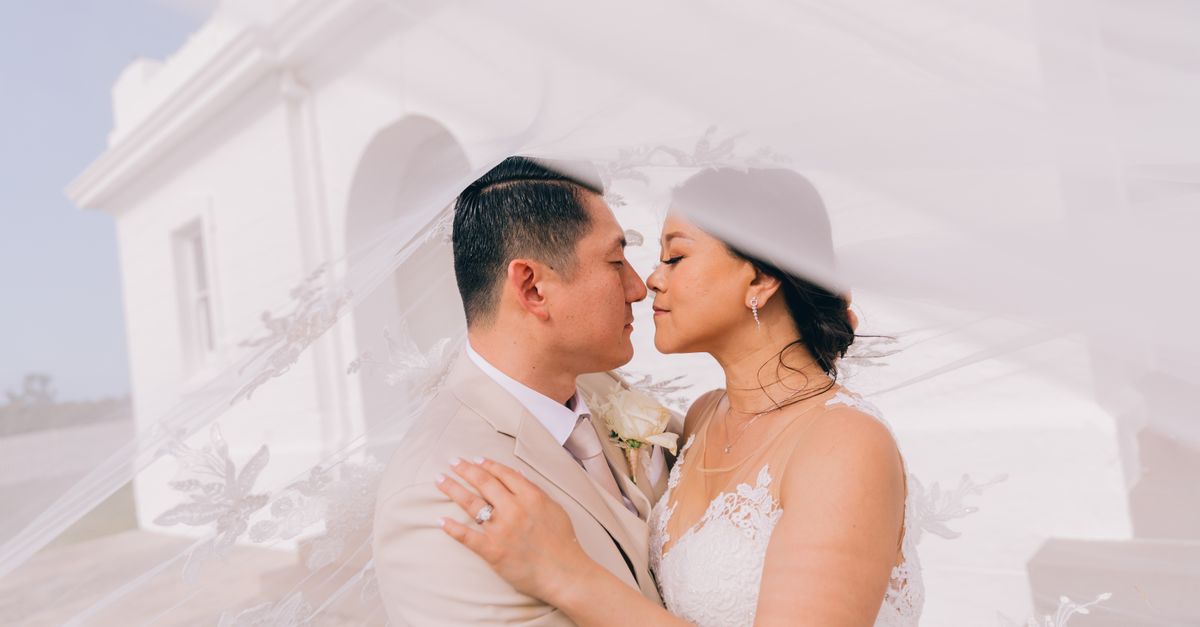
Table Of Contents
Posing for Timeless Shots
Capturing timeless moments involves a thoughtful approach to posing. Couples should feel comfortable and natural in front of the camera. A relaxed environment encourages genuine expressions and interactions. Photographers often guide couples through a series of poses, blending spontaneity with subtle direction to create an authentic feel. It’s vital to choose poses that reflect the couple’s personality and relationship dynamics.
Incorporating the surroundings can enhance the overall aesthetic of the photographs. Choosing scenic locations often leads to stunning backdrops that frame the couple beautifully. Simple adjustments, such as tilting the head or shifting weight from one foot to another, can elevate a shot. Careful attention to body language also plays a critical role. Couples should be encouraged to engage with one another, facilitating candid moments that artfully capture their connection.
Natural vs. Directed Posing Techniques
Capturing genuine emotions is essential in fine art wedding photography. Natural posing techniques encourage couples to interact with each other, creating candid moments that reflect their love and connection. By providing minimal direction and allowing the couple to focus on their feelings, photographers can evoke authentic expressions and spontaneous gestures. This approach often results in imagery that feels organic and timeless, showcasing the essence of the relationship.
In contrast, directed posing can yield striking results by guiding couples into specific stances or placements. This technique offers the opportunity to create visually compelling compositions that align with artistic vision. While it may appear more staged, a skilled photographer can balance direction with the couple's individuality, ensuring a blend of artistry and authenticity. The right mix of natural and directed poses can result in a diverse set of images that beautifully narrate the wedding day story.
Incorporating Details into Your Wedding Photography
Capturing the subtleties of a wedding enhances the narrative of the day. Attention to detail brings a unique dimension to the photographs. Items such as the bridal bouquet, elegant table settings, and curated favours tell stories of love and effort. These elements offer context and add richness to the overall aesthetic. They are not mere decorations; each piece reflects the couple’s personality and the thought put into their celebration.
Incorporating these details into your photography requires a keen eye. Rather than mere snapshots, treat each component as part of a larger tableau. Shooting from different angles and focusing on textures can transform ordinary objects into captivating images. It’s essential to blend these details seamlessly with the broader moments of the day. The amalgamation of both candid and styled shots will create a more comprehensive visual documentation of the wedding.
The Importance of Accessories and Decor
Accessories and decor play a pivotal role in fine art wedding photography, adding layers of depth and personality to each shot. Items such as elegant invitations, cherished heirlooms, and bespoke attire can serve as focal points that reflect the couple’s unique story. Capturing these small details not only enhances the visual narrative but also preserves the essence of the event, creating a richer context for future memories.
The selection of colours, textures, and materials contributes significantly to the overall composition of the photographs. Floral arrangements, table settings, and even the venue itself can elevate the aesthetic appeal of the images. Thoughtfully styling these elements allows the photographer to weave a cohesive narrative, transforming simple snapshots into evocative, timeless pieces of art that will resonate for years to come.
Post-Production
The process of enhancing photographs through post-production plays a crucial role in fine art wedding photography. This stage allows photographers to refine each image, adjusting elements like exposure, contrast, and colour balance to achieve the desired aesthetic. It's also an opportunity to remove any distractions that might take away from the emotional impact of the moment captured. Each photograph is treated with care, ensuring that the essence of the day is preserved while elevating the visual appeal.
Editing techniques can vary significantly, influenced by the photographer's unique style and the overall vision for the wedding collection. Some may opt for a soft, ethereal look that enhances romantic lighting, while others might favour bold, vibrant colours that reflect the couple's personality. Utilising tools like Lightroom and Photoshop, photographers can create a cohesive narrative throughout the wedding album, resulting in images that not only tell a story but also resonate with viewers long after the event.
The Art of Editing in Fine Art Photography
Editing plays a crucial role in fine art wedding photography, transforming raw images into polished works of art. Photographers carefully adjust elements such as contrast, saturation, and sharpness to enhance mood and emotion. This meticulous process allows for a signature style to emerge, creating a unique narrative that captures the essence of the day.
Moreover, the use of techniques like colour grading can evoke specific feelings, drawing viewers into the moment. Adjustments focus on harmonising tones to ensure that every detail, from the bride's bouquet to the intricate lace on her gown, stands out. A thoughtful edit can elevate a photograph from being merely a memory to a visual masterpiece that resonates with timeless beauty.
FAQS
What is fine art wedding photography?
Fine art wedding photography is a style that focuses on creating artistic and visually stunning images that capture the essence of the wedding day while emphasising composition, lighting, and emotion.
How can I ensure my wedding photos feel timeless?
To achieve timeless wedding photos, consider opting for classic poses and styles, using natural light, and selecting a location that has a meaningful backdrop. Working with an experienced photographer who understands fine art techniques can also help.
What is the difference between natural and directed posing?
Natural posing allows couples to interact organically, capturing candid moments, while directed posing involves the photographer guiding the couple into specific positions or compositions to achieve a certain artistic effect.
Why are details like accessories and decor important in wedding photography?
Details such as accessories and decor add depth and context to your wedding story, showcasing your unique style and the atmosphere of the day. They help to create a complete narrative in your photo collection.
How does post-production enhance fine art wedding photography?
Post-production involves editing processes that enhance colours, adjust lighting, and refine images to create a polished and cohesive look. This step is crucial in fine art photography to ensure the final images reflect the artistic vision and quality you desire.
Related Links
Fine Art Wedding Photography: Capturing the Unseen MomentsUnderstanding the Artistic Techniques of Fine Art Wedding Photography
How to Display Fine Art Wedding Photos in Your Home
Comparing Fine Art vs Traditional Wedding Photography Styles
The Importance of Composition in Fine Art Wedding Photography
How to Choose a Fine Art Wedding Photographer in Coffs Harbour
Styling Your Wedding for a Fine Art Photography Aesthetic
The Role of Natural Light in Fine Art Wedding Photography